










10% तक. Tariffs of up to 11% on medicines entering India from the EU will be largely eliminated! Tariffs on cars will be gradually reduced from 110% to 10%.
india is known as the 'pharmacy of the world, "especially when it comes to generic medicines. The EU already has no or very low duties on most Indian medicines, so this deal will further strengthen the Indian pharma industry. This will make more affordable and quality generic medicines available in the EU, which will also benefit patients in Europe. Due to this deal, India can benefit from 20-30% trade every year in the pharmaceuticals and chemicals sector.
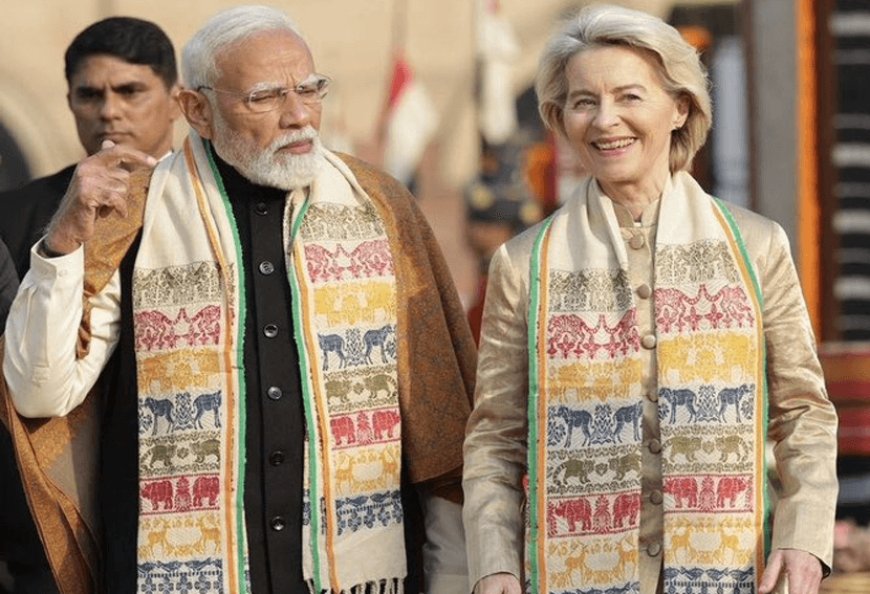
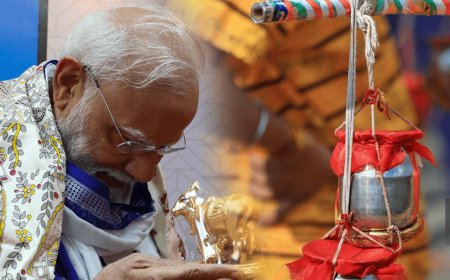
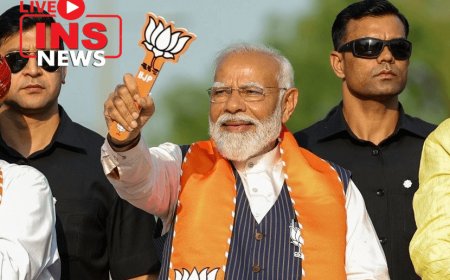
On January 27, 2026, at Hyderabad House in Delhi, Prime Minister Narendra Modi held a meeting with European Union (EU) Commission President Ursula von der Leyen and European Council President Antonio Costa. The leaders of India and the European Union signed the largest free trade agreement (FTA) between India and the EU during the 16th India-EU Summit. Here are 10 key points of the agreement: India-EU agreement to cover 1.25% of GDP! In the last 4 years, India has signed 7 FTAs, including UK, Oman, New Zealand. Now on January 27, FTA with the EU has been announced, which is being called the Mother of All Deals. The EU is a 27-nation bloc and the world's largest trading bloc. India is the world's largest economy. The EU's GDP is 2.53 trillion, while India's economy is $4 trillion. This will create a market of 200 crore people. It will also cover 25% of the world's GDP. In 2025, India and the EU had a trade of Rs 12.5 lakh crore. After the FTA, India will have access to European markets like Berlin, Rome, Munich and European markets like Delhi, Mumbai, Kolkata. It is estimated that with the FTA, India-EU trade will soon double.
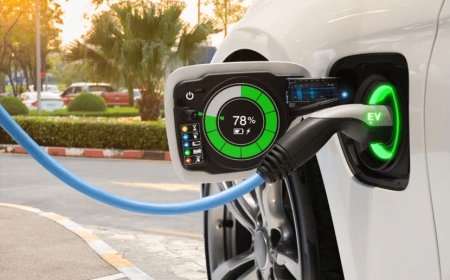
Tariffs on cars will be gradually brought down from 1 10% to 10%, making European companies such as Audi, Mercedes-Benz and BMW high-end or special models cheaper in the Indian market. The tariff on car parts will be reduced to zero. This will lead to deeper integration in the supply chain between India and Europe, i. e. industries on both sides will be more closely connected and cooperation will increase. Europe is a big export market for Indian auto component suppliers, so Indian companies will benefit a lot from this deal. On the other hand, the impact on India's domestic manufacturing industry is expected to be limited due to the high cost of parts made in Europe.
Tariffs of up to 11% on medicines coming from the EU to India will mostly be eliminated, but there is already easy access to medicines going from India to the EU. The EU currently imposes 0% or very low tariffs on most medicines exported from India. This free trade agreement (FTA) will provide easier access to Indian generic medicines in the EU market, which can significantly increase the exports of Indian pharmaceutical companies. India is known as the 'pharmacy of the world, "especially when it comes to generic medicines. The EU already has no or very low duties on most Indian medicines, so this deal will further strengthen the Indian pharma industry. This will make more affordable and quality generic medicines available in the EU, which will also benefit patients in Europe. Due to this deal, India can benefit from 20-30% trade every year in the pharmaceuticals and chemicals sector.
What's Your Reaction?