

































Same brand, but how much difference between taste and health? Double standards for packaged food in India
Questions have long been raised about the differences in the nutritional composition of Fanta sold in the UK and Fanta sold in India. In Europe, products with certain artificial colours carry a clear warning on the front of the package, while in India, such information is usually given in small letters on the back. The Difference Between Cocoa and Chocolate Popular products like KitKat have also been compared with the materials used in international markets. Some versions sold in India are said to have less cocoa solids and the Australian version is said to have more. This raises the question of how much the recipe of the same brand varies for different markets. Questions on Maggi
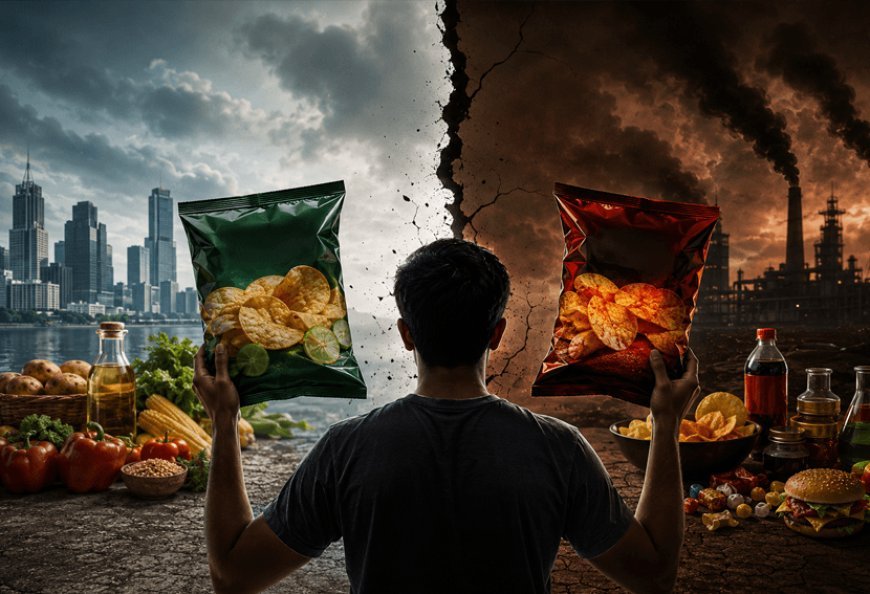
The same company, the same brand and almost the same packaging - but many packaged food products sold in India and abroad have big differences in recipe, ingredients and labelling. The question is not only of taste, but also of the health of the consumer and the information he gets.
Understand the difference from Fanta
Questions have long been raised about the differences in the nutritional composition of Fanta sold in the UK and Fanta sold in India. In Europe, products with certain artificial colours carry a clear warning on the front of the package, while in India, such information is usually given in small letters on the back.
The Difference Between Cocoa and Chocolate
Popular products like KitKat have also been compared with the materials used in international markets. Some versions sold in India are said to have less cocoa solids and the Australian version is said to have more. This raises the question of how much the recipe of the same brand varies for different markets.
Questions on Maggi
Even in the case of Maggi, the difference between the packaging rules of India and the UK has been in the discussion. Front-of-pack nutrition labels on many packets sold in the UK show the amount of salt, sugar and fat in an easily understandable way. In India, the consumer has to flip the packet and look at the nutrition chart on the back for the same information.
Controversy over baby food
Nestle's Cerelac has also been debated in India for a long time. In 2024, the company began offering a Cerelac version with no added sugar in India. Earlier, questions were being raised about the excess sugar in the products available in India.
What is the rationale of the companies?
Companies say that every country has different tastes, consumer behaviours, prices and local regulations, so it may be necessary to change the recipe of products. According to industry experts, the choice of raw material can also be different to keep the price in check.
But here's the real question... Should important nutritional information be less visible to the consumer in the name of price and local taste?
The battle of front-of-pack labelling in India
In many countries of the world, colors or warning signs on the front of the package indicate that a food is high in sugar, salt, or fat.
In India too, the debate over front-of-pack labelling has been going on for years. The proposed arrangements include options like star rating and colour warning. However, such a clear warning system has not yet been implemented in India, as is seen in some other countries.
The matter had also reached the Supreme Court. The question raised by health experts and activists in the court is that consumers should be informed of the potential health effects of foods in a simple and clear manner.
It's not just about labels, it's about health.
Obesity, diabetes and other lifestyle-related diseases are a growing concern in India. In such a situation, clear nutrition information on packaged food has become not only an issue of consumer rights, but also a question of public health.
So what's the customer to do?
Unless there is a clear warning on the front of the packet, consumers themselves have to be alert.
Before you buy, there are three things to consider:
How much sugar is in 100 grams.
What is the amount of salt / sodium?
What type of oil or fat is used.
Also, read the ingredients list carefully. The amount of content that is written first in the list is usually the highest.
After all, the question is not whether every product sold in India is bad or every product sold abroad is better. The real question is - should the Indian consumer get the same clear and easily understandable information that is being offered in many other markets of the world?
What's Your Reaction?