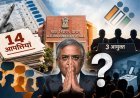





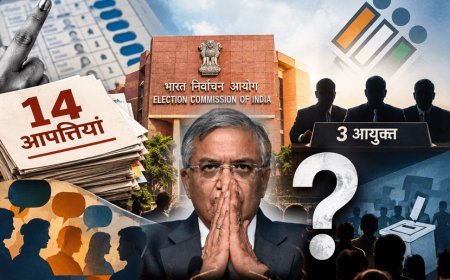








14 objections, 3 commissioners and a big question - were all voices heard equally in the EC's decisions?
On the other hand, the Election Commission says that all important decisions, including the SIR, were taken unanimously with the approval of the three election commissioners and individual opinions or suggestions cannot be considered as institutional differences.
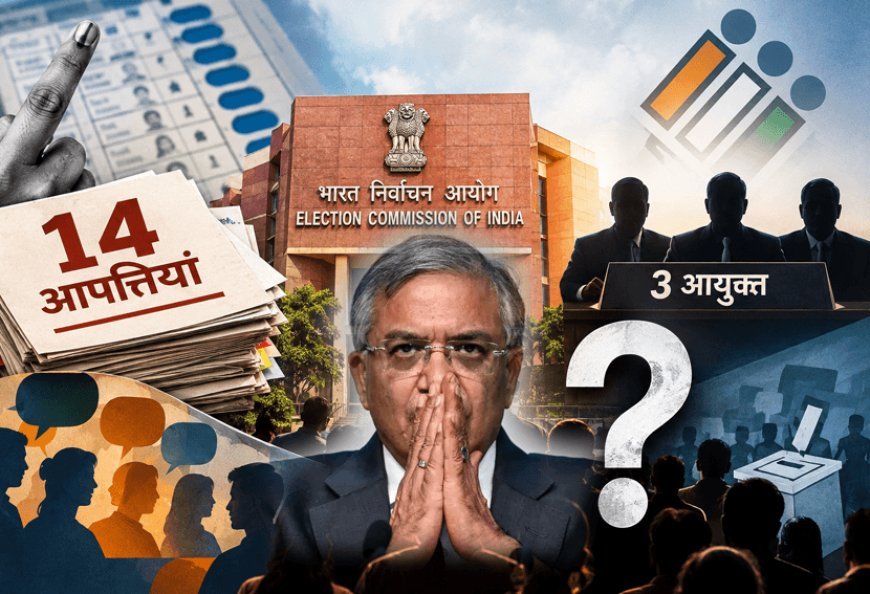
The report on SIR has raised serious questions on the functioning of the Election Commission. According to an investigation by The Indian Express, Election Commissioners Sukhbir Singh Sandhu and Vivek Joshi raised objections to certain decisions and procedures of the commission at least 14 times in the last 10 months. These include addition of new voters, centralisation of voter data, voter appeals in West Bengal and addition of names of eligible voters in Goa.
On the other hand, the Election Commission says that all important decisions, including the SIR, were taken unanimously with the approval of the three election commissioners and individual opinions or suggestions cannot be considered as institutional differences.
And that's where the real question comes in.
If objections were filed, how were they disposed of?
If the judgments were unanimous, what was the nature of the objections recorded?
And if there is a decision related to the electoral roll of the country, how transparent was the entire process?
In a democracy, elections are not just about results.
People's trust in elections is equally important.
The purpose of the SIR may be to purify the electoral roll, but the questions raised on the process have to be answered with equal clarity.
Because the question is not only about the voter list - it is about the trust of the voter.
What's Your Reaction?