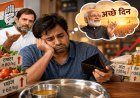



















The plate is expensive, the pocket is empty... then whose 'achche din' came? Congress questions Modi government claims of a jump in the prices of onions, garlic to ginger and lemon; "Now the time has come for the Prime Minister to pick up the bag," Ramesh said. '
When a family tries to balance ration, children's education, travel, clothing and other household expenses, every increased price forces it to rewrite its budget. Sometimes savings are less, sometimes needs are avoided and sometimes one has to borrow at the end of the month. This is the pressure that needs to be understood beyond the percentage of inflation. Jairam Ramesh alleged that inflation is affecting the plate of poor families, while the savings of the middle class are under pressure. He also questioned the government on its promise of 'achche din' and taunted it of "stealing savings" with his political charge of "stealing votes."
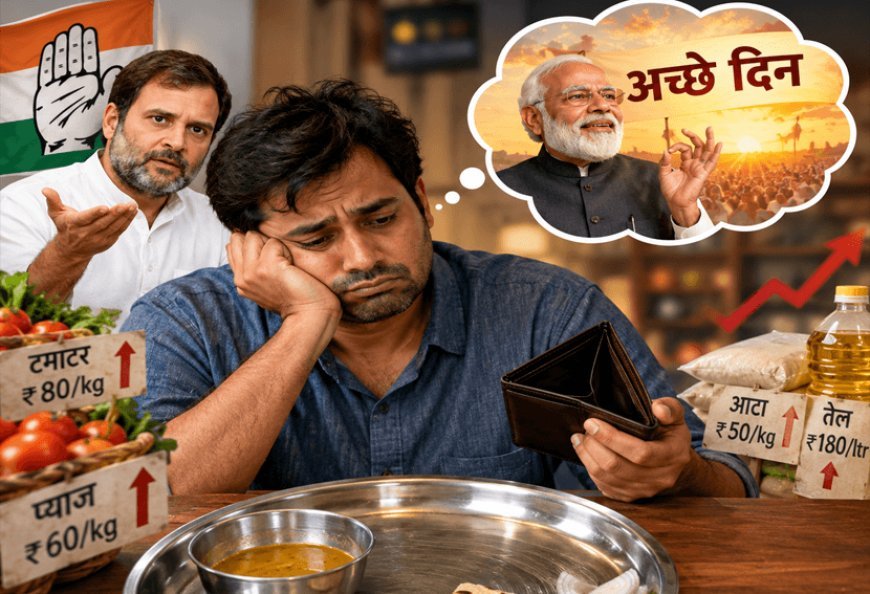
The real face of inflation is not seen in any government report, but in the common man's kitchen. The budget for the month is the same, the earnings are almost the same, but while returning from the market, the goods in the bag are less and the bill is getting higher than before. The question is not just of rising prices, but also of the trust with which the public had hoped for better days.
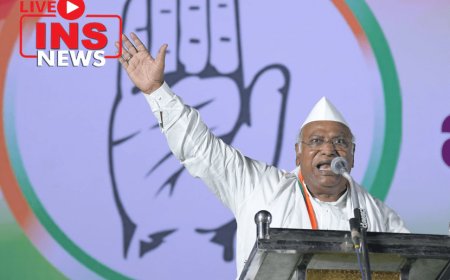
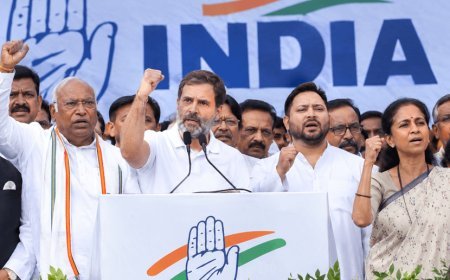
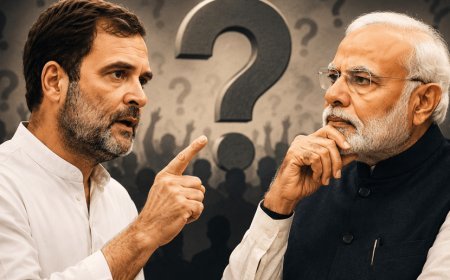
The Congress has targeted Prime Minister Narendra Modi and the BJP on the issue. "Party general secretary Jairam Ramesh questioned the government's economic policies, citing data on retail and food inflation, and quipped that it was" "time for the Prime Minister to pick up the bag." ""
According to Ramesh, retail inflation rose to 5.54 per cent and food inflation to 7.74 per cent in September. He cited 108 per cent rise in onion prices, 55 per cent in garlic, 63 per cent in ginger and 36 per cent in lemon. Through these figures, the Congress alleged that the burden of inflation is affecting the everyday life of common families.
But inflation is not just limited to vegetable prices.
When a family tries to balance ration, children's education, travel, clothing and other household expenses, every increased price forces it to rewrite its budget. Sometimes savings are less, sometimes needs are avoided and sometimes one has to borrow at the end of the month. This is the pressure that needs to be understood beyond the percentage of inflation.
Jairam Ramesh alleged that inflation is affecting the plate of poor families, while the savings of the middle class are under pressure. He also questioned the government on its promise of 'achche din' and taunted it of "stealing savings" with his political charge of "stealing votes."
Now the question is from the government as well as the system.
Are adequate steps being taken to protect the income and savings of the common man amid rising prices? Should the inflation data be accompanied by an estimate of the burden on households of different income groups? And when the kitchen budget goes haywire, who is ultimately responsible for relief?
The Congress's allegations are part of a political debate, but the pressure on the common man's pocket is an issue that needs accountability and substantive discussion. If the debate on inflation is reduced to the statements of power and the opposition, then the question of rising prices in the kitchen is left behind.
Because for the public, 'good days' are not determined by any slogan, but by the amount left at the end of the month.
What's Your Reaction?