







PM Modi's second big appeal Why are you repeatedly saying - 'Don't buy gold if you don't need it'?
That's the big question. When India is growing at 7.8 per cent, why is there an appeal not to buy gold? Why for the second time in just 114 days? This is not the first time that PM Modi has appealed to stop buying gold. Earlier, at a rally in Hyderabad on May 10, 2026, he had appealed to people not to buy gold for a year, stop non-essential foreign travel, save fuel and promote indigenous products.
New Delhi | 1 September 2026
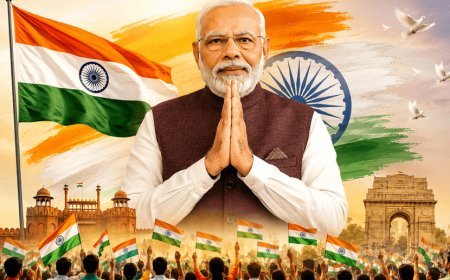
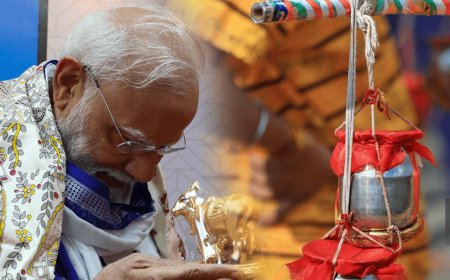
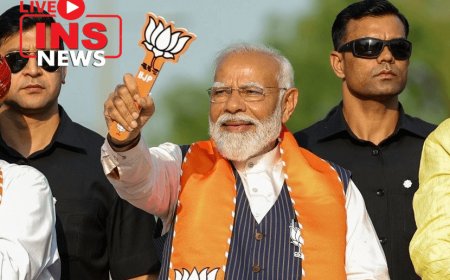
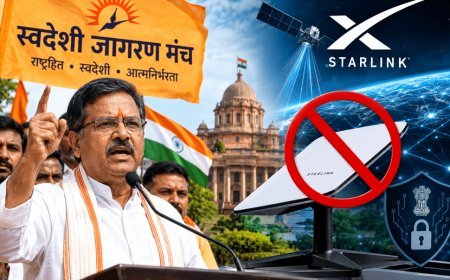
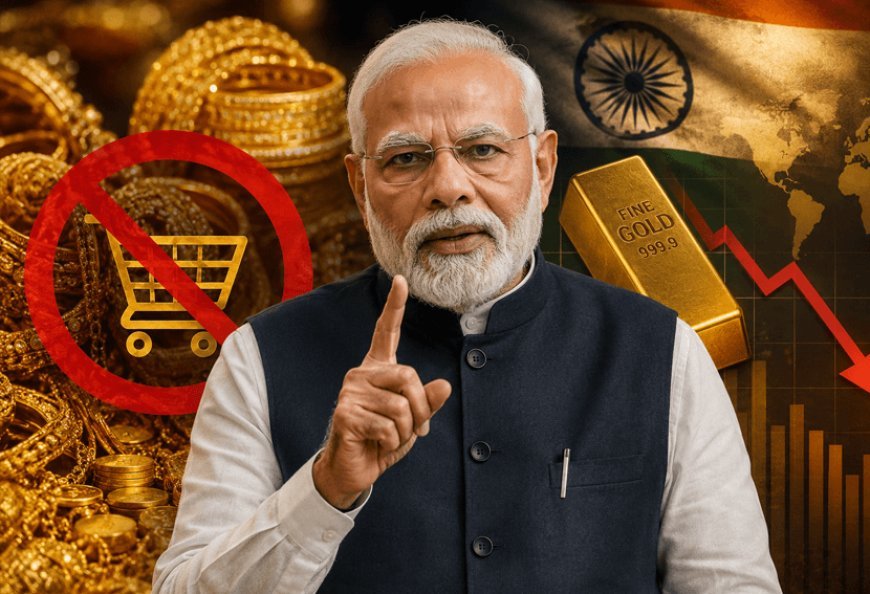
The country's economy has registered a strong GDP growth of 7.8 per cent in the first quarter, but amidst this happiness, an appeal by Prime Minister Narendra Modi has sparked a new debate in the economic corridors. In a video message shared on September 1, PM Modi appealed to the countrymen to avoid buying unnecessary gold, moving abroad and getting married abroad. Linking it with Swadeshi, self-reliance and India's economic strength, he called upon the countrymen to strengthen the domestic economy.
That's the big question. When India is growing at 7.8 per cent, why is there an appeal not to buy gold?
Why for the second time in just 114 days?
This is not the first time that PM Modi has appealed to stop buying gold. Earlier, at a rally in Hyderabad on May 10, 2026, he had appealed to people not to buy gold for a year, stop non-essential foreign travel, save fuel and promote indigenous products.
Now, within four months, the same message has come up again. The difference is that this time with the message 'Wed in India' and domestic tourism has also been emphasized.
The biggest threat: India's gold imports
India is one of the world's largest consumers of gold, but domestic production is extremely limited. As a result, a huge amount of gold has to be imported from abroad to meet the demand.
India's gold imports reached a record $71.98 bn in FY 2025-26 - up nearly 24% from around $58bn last year. Not only this, in 2022-23 this figure was about 35 billion dollars. That is, in just a few years, India's foreign exchange spending on gold has increased very rapidly.
That's the real worry.
Foreign currency is used to buy gold. At a time when the bill for essential imports, including crude oil, is also rising, the huge demand for gold could put additional pressure on the country's foreign exchange balance and trade deficit.
The Second Front: The crisis in West Asia
India imports large quantities of crude oil for its energy needs. War and instability in West Asia have increased pressure on the oil market.
The price of oil means...
More dollar out → more import bill → pressure on rupee → risk of inflation.
In such an environment, the government wants to reduce the use of foreign exchange where expenditure can be avoided.
The third threat: Pressure on CAD and rupee
India's trade balance could deteriorate if major imports like gold and oil increase. This will have an impact on the current account deficit (CAD).
However, India's foreign exchange reserves have recently touched record levels. It stood at $729.33 bn as of August 21, 2026 - but concerns over control on imports have not abated amid global volatility.
That is, the government's message is not that India's economy is collapsing, but that despite rapid growth, the country has to manage its foreign exchange needs wisely to avoid external shocks.
Gold is not just a metal, it is the spirit of Indians.
That's why PM Modi's appeal is unusual.
Gold is not just an investment in India. It is associated with weddings, festivals, traditions and family savings.
Therefore, the repeated statement of the Prime Minister that if there is no need, do not buy gold - is being considered a much bigger signal than the economic message.
What happened to May's appeal?
After PM Modi's appeal in May, there was definitely a stir in the gold market. The government raised customs duty on gold with effect from May 13, 2026, and by August 2, the government earned a revenue of about ₹10,040 crore from this increased duty.
But here's the other side of the picture.
In the entire financial year 2025-26, gold imports had reached record levels. That is, the buying momentum of the people may be affected for some time, but the strong demand for gold by Indians has not completely ended.
So is PM Modi's appeal limited to sleep?
Not at all.
The core of this message is...
"Money should stay in India, expenditure should be in India and Indian industry should be strong. "
That's why PM Modi focused on three things at once -
Reduce foreign travel.
Avoid getting married abroad.
Do not buy gold unnecessarily.
Instead, the emphasis was on Swadeshi, Vocal for Local and Wed in India.
The big question is - can it save billions of dollars?
If there is a big fall in gold purchases, India's import bill could come down and pressure on foreign exchange could ease.
But the real challenge here is the festival and wedding season.
This is the biggest purchase of gold in India. So it will only be known in the coming months whether PM Modi's appeal remains confined to social media or actually changes the buying decisions of Indian households.
Conclusion
PM Modi's' don't buy gold 'appeal amid 7.8% GDP growth is not a contradiction, but a sign of caution.
India is growing fast but at the same time there are challenges like war, energy prices, import bill and global uncertainty. That is why the government is now emphasizing on saving foreign exchange and keeping domestic consumption within India along with the pace of development.
Now the real test will be in the coming festive and wedding season - do the people of India take this second appeal of the Prime Minister seriously?
What's Your Reaction?